
"Ethiopian flavor variety"
3000 article(s) found

Introduction to the taste of grinding scale for sweet Ethiopian coffee bean flavor description
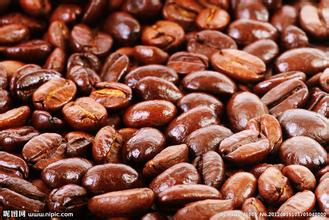
Ethiopian beans are easily recognizable, mostly small and pointed long beans, known as longberry, and often mixed with small oval-shaped short beans, called shortberry, which look uneven in size and appearance. The commercial bulk beans of Grade4 or Grade5 are mostly mixed with hundreds of different crystal seeds in different producing areas, so the phenomenon of uneven bean phase is the most obvious.

The three primary species of coffee. What are the original species of coffee beans?
Professional coffee knowledge exchange more coffee bean information Please follow the coffee workshop (Wechat official account cafe_style) when we talk about Ethiopian coffee, some people will use the words jasmine, rose fruit, magnolia and other words to describe the smell of flowers, but have you ever wondered why these specific varieties with floral flavor are often summed up as "native species"? In the third Boca

Introduction to the taste characteristics of Ethiopian coffee flavor description and grindability varieties
Ethiopia's geographical environment is very suitable for coffee growth. Coffee is mainly grown in the southern highlands between 1100 and 2300 meters above sea level. The main coffee producing areas are Harar, Limu, Djimma, Sidamo, Kaffa, Yergacheffe and Wellega. The soil drainage in these areas is good.

What brand of Ethiopian coffee do you recommend? Ethiopian coffee cultivation is in the right place at the right time.
Professional coffee knowledge exchange more coffee bean information please follow the coffee workshop (Wechat official account cafe_style) front street-Ethiopia Coffee introduction different coffee producing areas are different in variety and climate, the coffee cultivation, harvest, treatment and processing processes are also different, so the resulting coffee has its own flavor. When choosing and tasting coffee

Flavor description of Ethiopian Sidamo Coffee Sidamo Coffee is good?
For more information on coffee beans, please follow Coffee Workshop (Wechat official account cafe_style) Ethiopian Sidamo Coffee. This is a washed Ethiopian coffee known for its rich taste, sweet and complex taste, low acidity, floral aroma and a bright and soft finish. Growth altitude: 1500-2220 m above sea level Arabica varieties

Ethiopian Coffee Manor Fine Coffee Bean Origin, Development, History and Culture
It has been estimated that there are at least 2000 varieties of Ethiopian coffee and even more than 4500 kinds of coffee. Compared with the fat posture of Bourbon SL28, the main variety next to Kenya to the south, or Tibica in Central and South America and Asia, Ethiopian beans look a little malnourished. But beans can't be judged by appearance, and Ethiopian coffee has the highest citrus flavor in the world, whether it's instant coffee or

Varieties of Ethiopian coffee beans taste of manor region flavor description method grinding engraving degree introduction
The main producing areas of Ethiopian coffee are Harald in the east, Djimmah in the southwest and Sidamo in the south. Yirgacheffe, with its unique aroma, comes from the northwest of Sidamo province.

Aromatic Ethiopian coffee plantation with rich flavor. Flavor characteristics. Variety introduction.
Ethiopian coffee beans grow in a near-natural environment. After years of cultivation under the same growing conditions, Ethiopian coffee beans have gradually adapted to the environment here. More than 60% of coffee beans are forest or semi-forest grown coffee. Coffee farming villages produce about 35 percent of the country's coffee. Many of these are used.

Ethiopian Coffee Flavor Description Grind Characteristics Variety Producing Area Taste Boutique Coffee Introduction
Ethiopian coffee grade: Ethiopian washed coffee Yirgacheffe G1 G2 Sidamo (Yirgacheffe, Sidamo) the highest grade is second and third grade (G2, G3), the eastern part of Ethiopia sun processing coffee is mostly fourth or fifth grade (G4, G5). In many cases, fourth-grade coffee is labeled as five-grade in order to reduce taxes. The current classification is not very uniform, there are

Introduction to the difference of coffee flavor between Ethiopian hole washing method and sun treatment method
Country: Ethiopian Manor: Konga Cooperative producing area: Yejia Chevy Variety: Ethiopian Native species treatment method: washing Cup Test report: cup Test record: the Conga Cooperative (Konga Coop) is made up of 1556 family members of small coffee farmers, located 5 km south of Yirgacheffe. It was founded in 1994 and joined the YCFCU Cooperative Union in 2002.

Flavor description of Ethiopian Yejia Snow Coffee beans introduction of varieties produced by taste treatment
Flavor description of Ethiopian Yega Coffee beans Coffee is the most important export cash crop and the main source of foreign exchange income in Ethiopia. Ethiopia's coffee exports account for about 3% of the world market, making it the eighth largest coffee exporter in the world. Coffee exports increased steadily from 58000 tons in 1990 to 1995-1996.

The Origin of Ethiopian Coffee Variety
Various forms of coffee cultivation can be found in Ethiopia: everything from wild coffee forests and semi-developed land to traditionally operated plots to modern plantations. About 50% of the coffee is grown more than 1500 meters above sea level. Harrar coffee is the highest growing area of all coffee in Ethiopia. Hara coffee can be divided into long coffee.

Ethiopian coffee bean grade analysis coffee bean common sense
Ethiopian coffee beans are divided into five levels. The first and second stages are washed beans. Washed beans Grade1 represents 3 defective beans per 300g raw beans, and Grade2 represents 4 defective beans per 300g. Gradc1 grade water washed beans are very rare and are generally difficult to buy. At present, all the washed beans exported from Ethiopia are Grade2 grade. The quality of sun-dried beans is Grade3 and Grade4 in order.
Flavor description characteristics of Ethiopian honey kiss coffee beans introduction to the taste of variety treatment in producing areas
The flavor description characteristics of Ethiopian honey kiss coffee beans the taste of Ethiopian coffee should be the only pollution-free green organic coffee in the world. Ethiopia still uses traditional planting methods to artificially care for coffee trees, and fertilizers are mainly deciduous leaves, withered grass and animal manure, replacing harmful pesticides and herbicides used on a large scale in other coffee-producing countries.

Ethiopian Coffee Flavor description introduction of High-quality Coffee varieties in producing areas
Ethiopia is the birthplace of the famous Arabica coffee beans, and people have always maintained the tradition of harvesting wild coffee beans. The coffee garden at an altitude of more than 1500 meters has formed a unique coffee style after thousands of years of evolution and adaptation. Ethiopian coffee grown in the natural wild environment is called wilderness coffee, which retains the most primitive and natural taste of coffee beans.

The entrance of Ethiopian coffee is full of floral, fruity, sour and sweet aromas.
Even the official research unit of Ethiopia does not know how many Arabica subspecies there are in Ethiopia. The coffee cooperatives in this mountain are certainly different from those planted in another mountain, and even small farmers in the same region grow different varieties of coffee. It has been estimated that there are at least 2000 varieties of Ethiopian coffee and even more than 4500 kinds of coffee. Compared to the southern neighbor Ken

heirloom varieties
Professional coffee knowledge exchange More coffee bean information Please pay attention to coffee workshop (Weixin Official Accounts cafe_style) Speaking of coffee, there are flowers and flowers fragrance Ye Jia Xue Fei, there are rich wild Mantenin, there are balanced blue mountains, etc. Coffee from different producing areas, different processing methods can meet the taste requirements of different people, this is the unique charm of coffee. When it comes to coffee, you can't leave Ethiopia.

Flavor description of Ethiopian Xachiso Coffee Bean introduction to the varieties in the manor area
Ethiopian Chachiso Coffee Bean Flavor describes the variety produced in the manor area to introduce the Ethiopian Buna ceremony is a long process, with an average of about 1.5 hours. The ceremony, which takes place every day, aims to come to the conclusion that it may be a marriage proposal or a mediation of family conflict. The first is roasted coffee beans. When the coffee beans are roasted, the woman

Introduction to the method of flavor description of Ethiopian Ethiopian Sidamo Lion King Coffee Bean
Ethiopian Ethiopian Sidamo Lion King Coffee Bean Flavor description Variety introduction Kochere is a small production area located about 25 kilometers southeast of Yegashifi. The coffee beans harvested come from local coffee farmers and are composed of a large number of small coffee farmers. The average cultivation area of these small farmers is about 1 hectare and the planting altitude is high.

Introduction to varieties of Ethiopian coffee bean flavor description grinding scale treatment method
Ethiopian coffee bean flavor description grinding scale treatment variety introduction Ethiopia has a unique and different flavor, providing customers all over the world with a wide range of taste choices. In the highlands of southwestern Ethiopia, coffee growers in Kaffa, Sheka, Gera, Limu and Yayu